
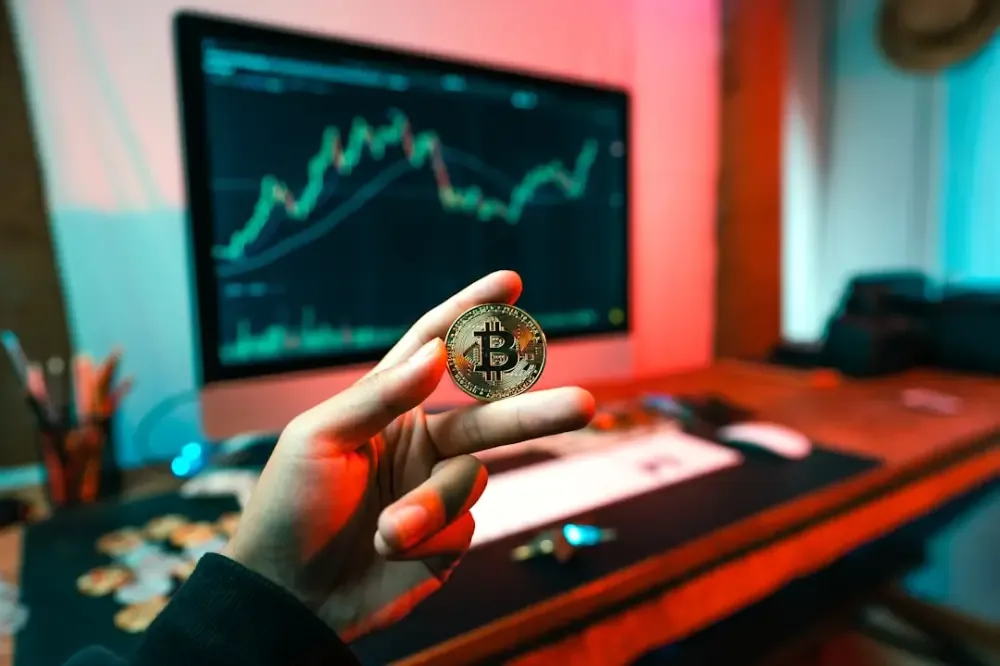
The Harsh Reality of Your First Bitcoin Purchase
Most guides on buying Bitcoin follow a predictable, boring script: open an account, verify your ID, click buy, and hold on for dear life. They treat Bitcoin like a tech stock or a digital lottery ticket. In my view, this is the exact reason why most first-time buyers end up panicking and selling at a loss the moment the market takes a 10% breather. If you are entering this space because you saw a headline about a price surge, you are already behind the curve.
Before you commit a single dollar to Satoshi Nakamoto’s creation, you need to strip away the mainstream noise. Buying Bitcoin isn’t just a financial transaction; it is a fundamental shift in how you perceive value. If you don't understand the 'why' behind the asset, the 'how' won't save you when the volatility hits.
Stop Chasing the 'Get Rich Quick' Mirage
The biggest mistake I see beginners make is treating Bitcoin as a shortcut to overnight wealth. I would argue that Bitcoin is not a 'get rich quick' scheme, but rather a 'don't get poor slowly' strategy. The global financial system is built on the steady erosion of purchasing power, and Bitcoin was designed as the antidote.
When you buy Bitcoin because you think it will double by next Tuesday, you are gambling. When you buy it because you understand the implications of a fixed supply in a world of infinite money printing, you are investing. The reality is that the people who make the most 'noise' about Bitcoin profits are often the ones who understand it the least. True conviction comes from data and historical context, not from TikTok influencers or hype-filled news cycles.
Volatility is the Price of Admission
If you cannot handle a 50% drop in your portfolio without losing sleep, you have no business buying Bitcoin yet. This may sound harsh, but it is a perspective born from years of watching market cycles play out. The volatility that scares away the masses is the same mechanism that has allowed Bitcoin to outperform every other asset class over the last decade.
I believe that volatility is not a 'bug' in the system; it is the price of admission for an asset that is still in its price-discovery phase. Most newcomers want the 100x gains without the -80% drawdowns. That world doesn’t exist. To survive your first year in crypto, you must accept that the price will swing violently. Your goal isn't to timing the bottom—it's to remain rational when everyone else is reacting emotionally.
The Self-Custody Debate: A Nuanced Take
You have likely heard the mantra: 'Not your keys, not your coins.' While I agree with the sentiment—if you don't control your private keys, you don't truly own your Bitcoin—I also believe that forcing a total beginner into self-custody on day one can be a recipe for disaster.
I’ve seen more people lose Bitcoin by mismanaging their seed phrases or falling for 'recovery' scams than I have seen people lose money through reputable, regulated exchanges. My stance is this: start with a trusted platform to get your feet wet, but make it your primary mission to learn how to move those assets to a hardware wallet as soon as you are comfortable. Ownership is a responsibility, and if you aren't ready for that responsibility, you aren't ready for Bitcoin.
The 4 Rules for Your First Bitcoin Buy
If you’ve made it this far and you’re still ready to jump in, I suggest following these four principles to keep your head above water:
- Only Invest What You Can Write Off: Don’t use your rent money. If the price goes to zero tomorrow, your life shouldn't change. This gives you the 'diamond hands' necessary to survive dips.
- Ignore the Altcoin Sirens: Newcomers are often tempted by 'cheaper' coins that promise to be the next Bitcoin. In my perspective, Bitcoin is the only truly decentralized, battle-tested digital gold. Start with the king; ignore the noise.
- Think in Decades, Not Days: If your time horizon is less than four years (one full halving cycle), you are significantly increasing your risk of loss.
- Automate Your Strategy: Dollar-cost averaging (DCA) is the only way to beat the emotional stress of market timing. Set it, forget it, and let the math do the work.
Why Conviction Trumps Luck
At XcelToken, we often discuss why market cycles still define the way digital assets behave. Understanding these cycles is what separates the successful investors from the 'exit liquidity.' When you buy Bitcoin, you are essentially betting against the status quo of centralized banking. That is a heavy bet to make on a whim.
I would argue that the most valuable thing you can do before buying is to read the Bitcoin Whitepaper. It’s only nine pages. If you can’t bother to read the foundational document of the asset you’re putting your hard-earned money into, you are setting yourself up for failure. Conviction is built on knowledge, and in the world of crypto, knowledge is the only real protection you have against the inevitable market swings.
Final Thoughts
Buying your first Bitcoin should feel slightly uncomfortable. It should challenge your ideas about what money is and who should control it. If you are looking for a safe, predictable, and quiet investment, stick to index funds. But if you are ready to take control of your financial future and participate in a global monetary revolution, then buy—but do so with your eyes wide open and your emotions in check.
Bitcoin doesn't care about your feelings, your entry price, or your expectations. It only cares about the math. Your job is to make sure your mindset is just as resilient as the code itself.